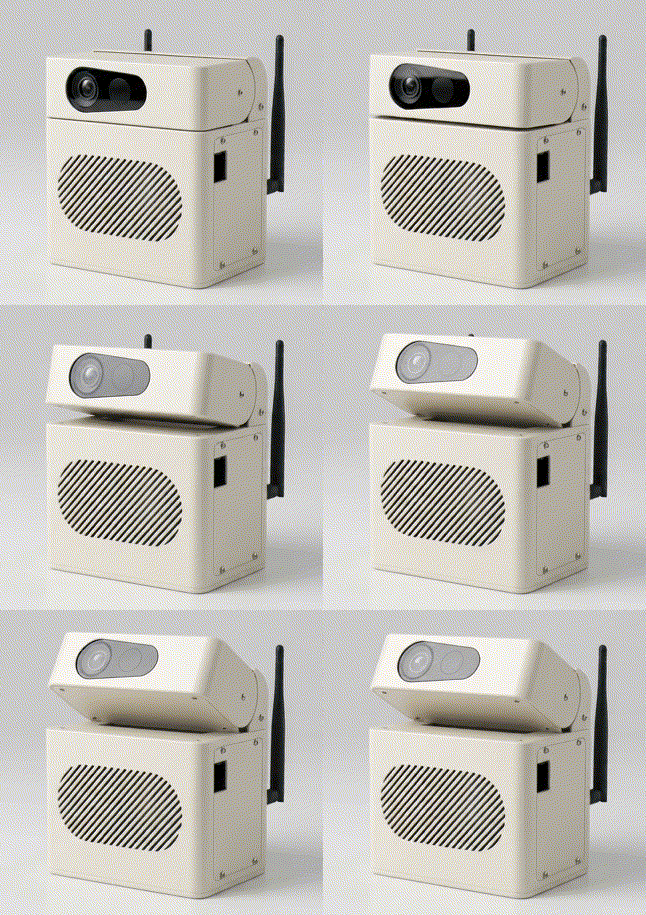
Technical Specifications
90.8%mAP
Object Recognition Accuracy
20mm
Min Detection Height
Key Features
3 featuresProprietary Data Engine
Field data is expanded through virtual scene synthesis and generative AI, while auto-labeling keeps strengthening the training data.
Learn more ↓Fast Inference at the Edge
A lightweight model built by knowledge distillation runs detection, keypoints and segmentation in real time on the Navi-Eye embedded PC.
Learn more ↓Precise Docking on Misaligned Pallets & Carts
Recognizes the shape and pose of pallets and carts even when misplaced, and docks within ±2cm.
Learn more ↓NaviFra's Proprietary Data Engine
Automatically generates data for various virtual environments based on data collected in the field
- Generates synthetic data from various viewpoints using NaviFra's own auto-labeling technology
- Generates high-quality data through generative AI transformation
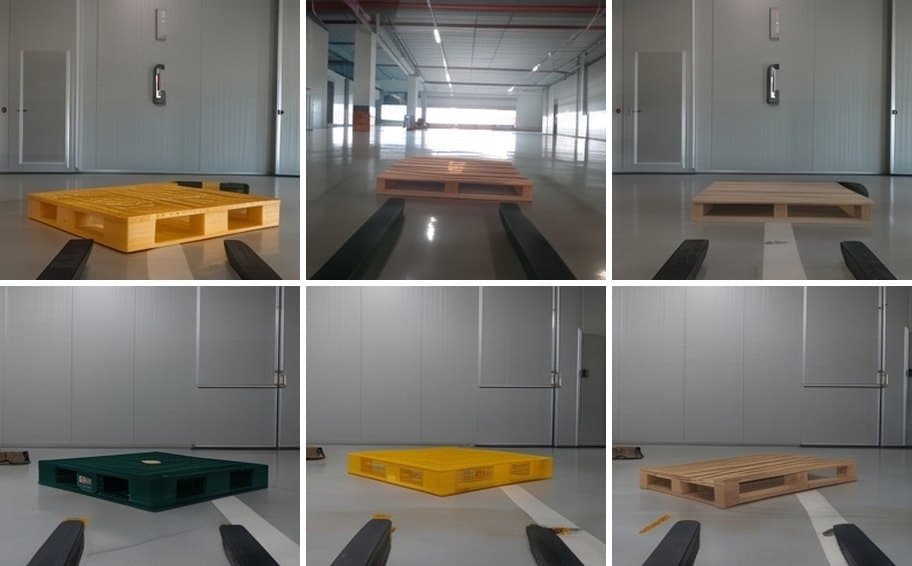
01
Field data collection
Pallets are filmed on site to collect and process training data.
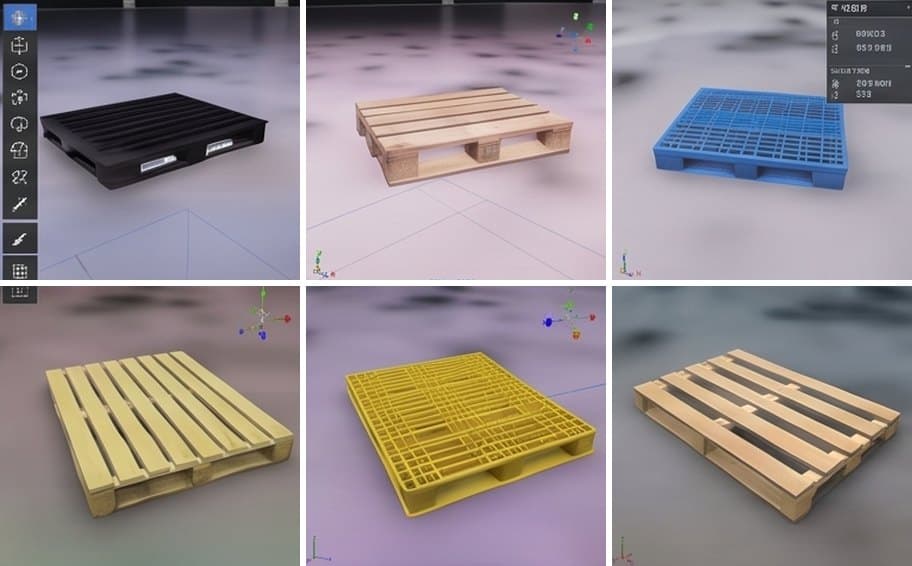
03
Virtual scene synthesis
Pallets of different shapes and colors are placed in a virtual warehouse to create synthetic data.
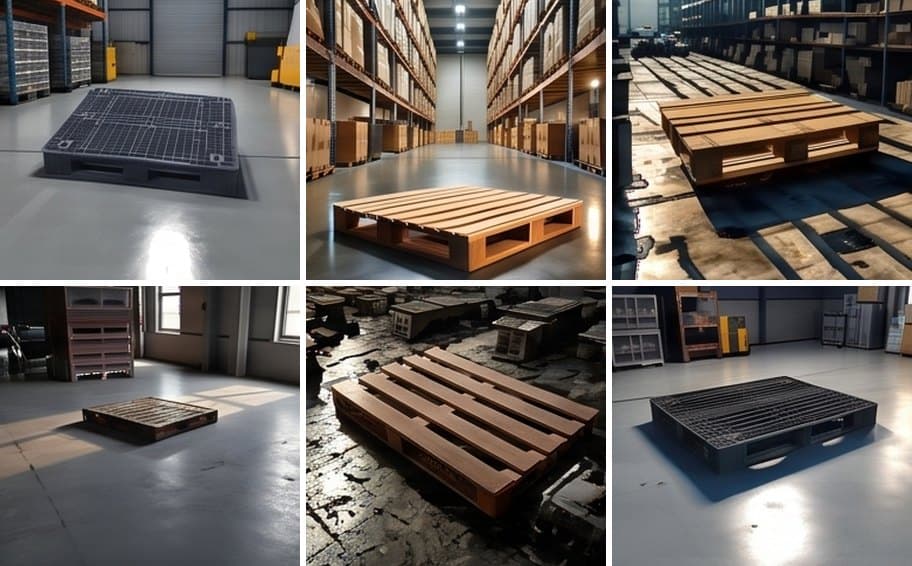
05
Generative AI transformation
Lighting, floors and backgrounds are varied to cover conditions rarely met on site.
NAVIFRA · Navi-Eye AI
Data Engine cycle
Training data for Navi-Eye AI keeps improving as the five steps repeat.
- 01
Field data collection
RGBD video from manufacturing and logistics sites
- 02
Data selection
Failure and low-confidence cases first
- 03
Virtual scene synthesis
Simulation-based synthetic data
- 04
Auto-labeling
Automatic labels with NABELING
- 05
Generative AI transformation
Lighting, texture and environment augmentation
05 → 01 repeat
In-House Lightweight Model: Real-Time Perception at the Edge through Knowledge Distillation
The perception learned by a large vision model (teacher) is distilled into a lightweight model (student). One shared backbone handles detection, keypoints and segmentation together, so the Navi-Eye embedded PC runs inference in real time on the robot.
- Knowledge of a large vision model distilled into a lightweight model
- Detection, keypoints and segmentation from one shared backbone
- Real-time on-device inference on the Navi-Eye embedded PC
KNOWLEDGE DISTILLATION
Teacher model
Large vision model
Accurate, but too heavy to run on a robot as is.
Student model
Lightweight shared backbone
- Detection
- Keypoints
- Segmentation
One backbone handles all three tasks together.
Navi-Eye embedded PC
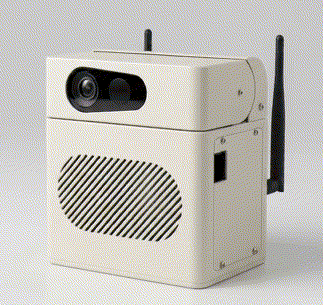
Runs inference in real time on the robot.
Precise Docking Even with Misaligned Pallets and Carts: Vision-Based Docking
AI recognizes irregularly placed pallets in real time and performs precision docking within ±2cm. Supports 20+ pallet types with automatic re-docking even when misaligned.
- Precision docking within ±2cm
- Supports 20+ pallet types
- Auto re-docking for misaligned pallets
A slightly misplaced target goes unrecognized, and the robot fails to enter.
Cart recognition fails
Pallet recognition fails
Shape and pose are recognized in real time, so the robot docks precisely wherever the target lies.
Cart recognition & docking
Customer production site
Recognizes a cart left at an arbitrary position, enters precisely, lifts it and carries it away.
Multi-level stacking
Gwanggyo testbed · 2× speed
Recognizes a stacking rack placed at a different position and angle each time, and stacks onto it precisely.
Compatibility & Integration
A compact add-on design mounts directly on a wide range of robot platforms. Standard interfaces make it easy to connect with your existing infrastructure.
Contact Sales about Navi-Eye
Analyze your site with our experts and design the right solution. We support you through every step, from consultation to on-site installation.